atelier tushu is the studio practice of Peter Shoemaker, an American-born artist, writer, and researcher based in Normandy, France.
The work is concerned with the material ways we make the world legible, ordered, and meaningful. It asks how objects, inscriptions, documents, and rituals acquire authority, carry meaning across time, and shape what we understand as historical, sacred, legal, or true.
Projects such as Chronoliths, The Tomb of the Wayward Queen, The Small Gods of Ordinary Ruin, The Six Devotions, and The Long Surface construct material worlds in which evidence, belief, memory, and interpretation continually reinforce—and occasionally undermine—one another. Alongside these longer bodies of work, functional ceramics remain central to the practice, not as a separate pursuit but as another way of thinking through use, beauty, ritual, and the subtle authority of everyday objects. Making is not simply a means of producing work, but a way of thinking through it.
Objects
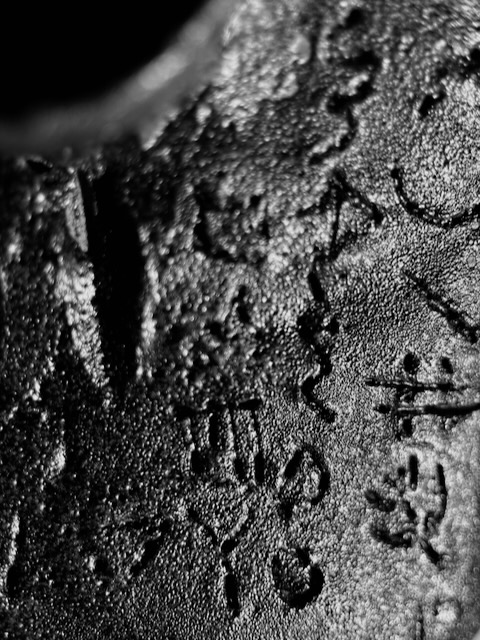 Chronolith (detail). 2025.
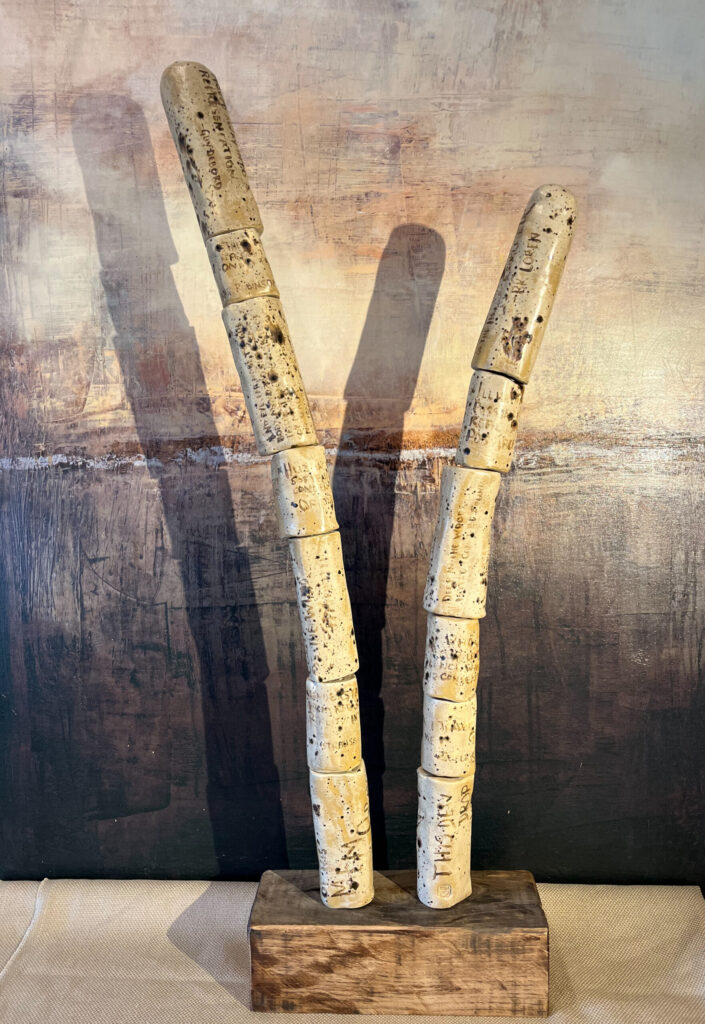 Traces. 2025.
 Sea Dreams. 2024.
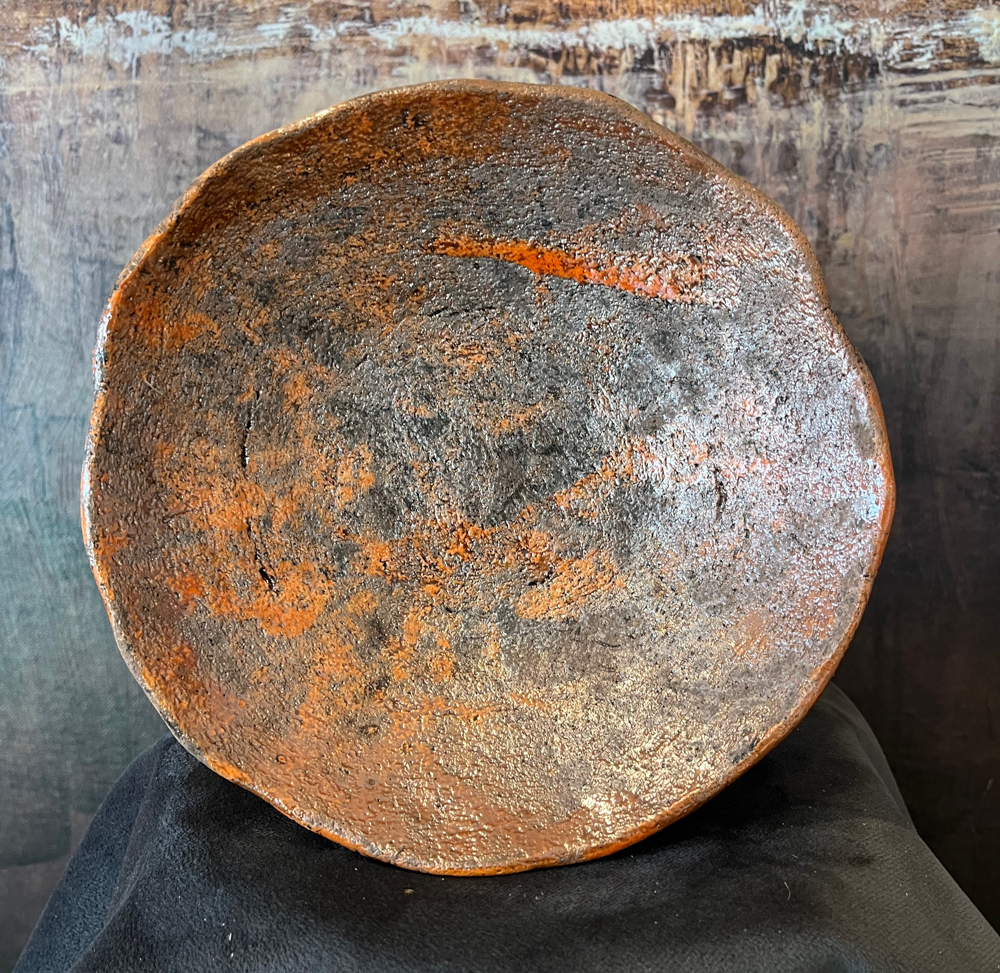 Bowl. Raku. 2025.
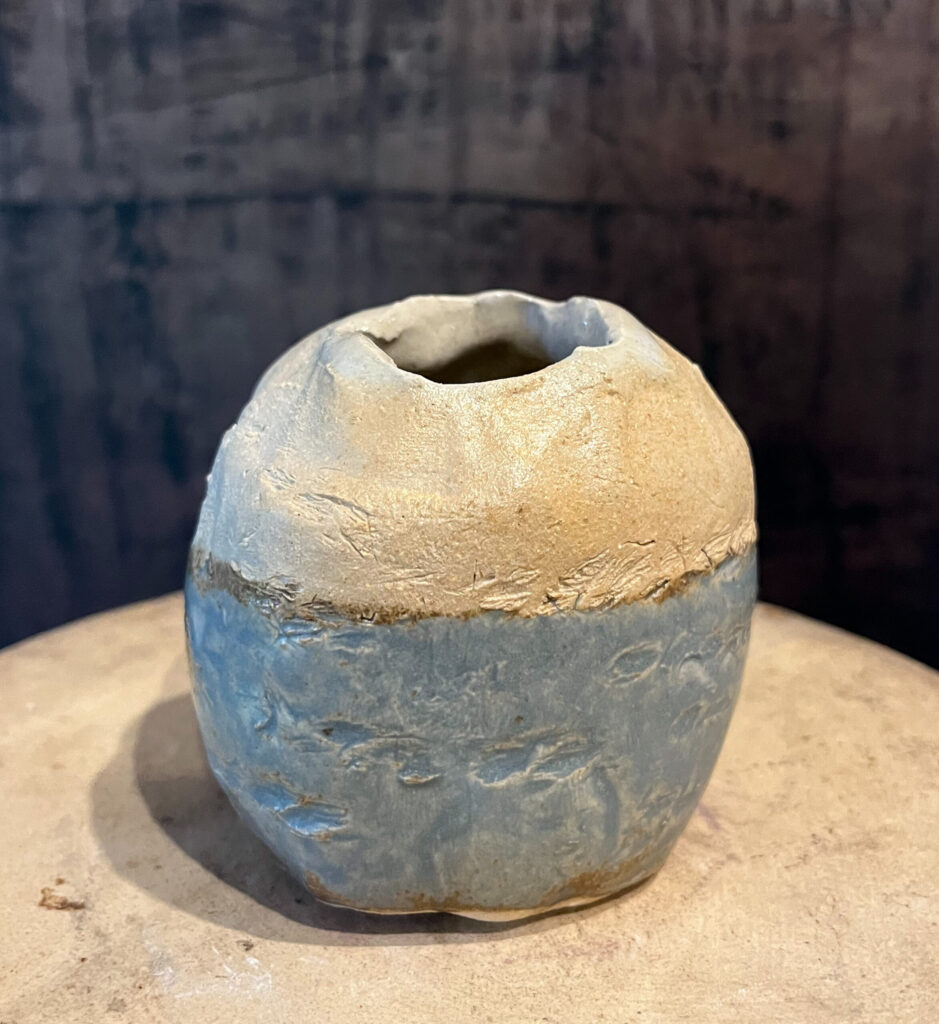 Flowering Moon. 2024.
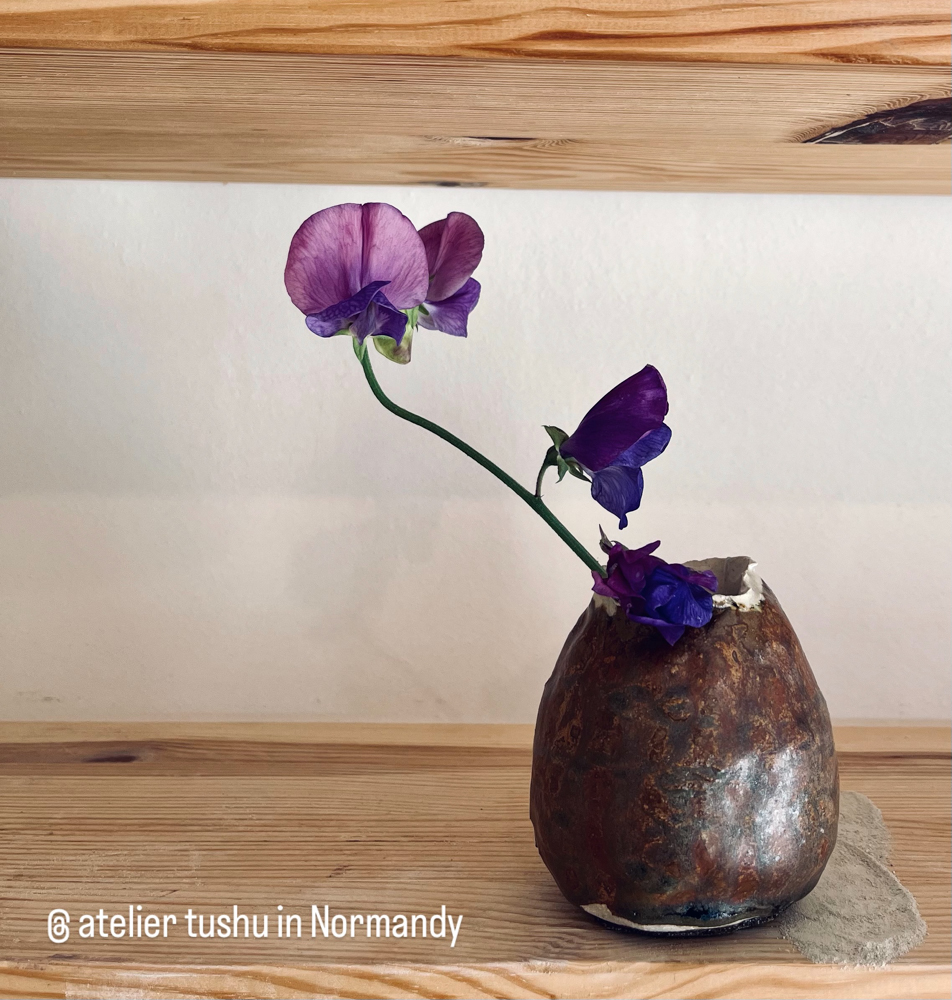 Pea blossom vase. Stoneware. 2023.
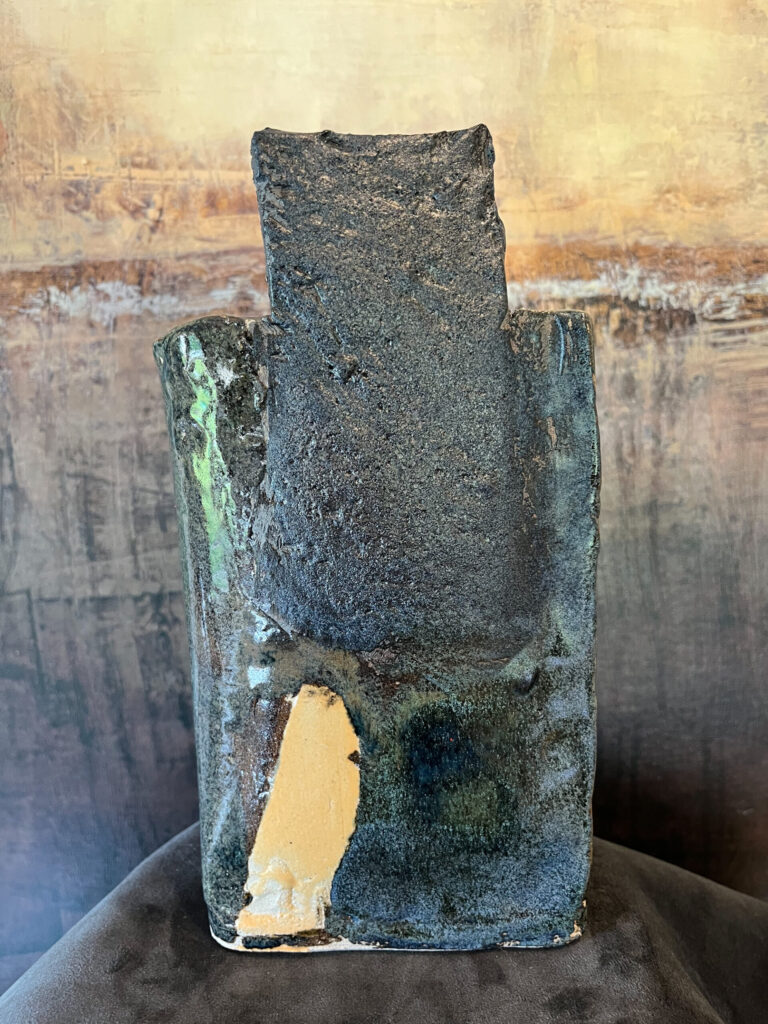 La Tempête Passera. 2024.
25.5 x 12.5 x 5.7 cm
Ongoing Projects
Chronoliths: Between the Great Silences
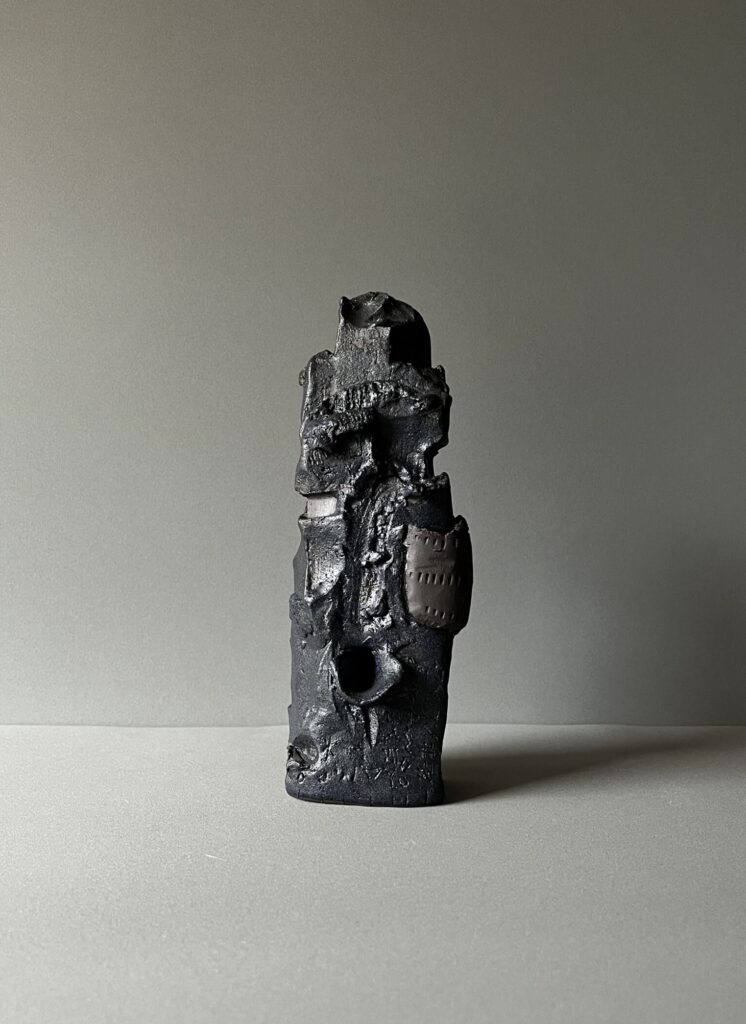
The implacable stones of the Palaeolithic and Neolithic—
they have long haunted my thinking about matter, ideas, time.
Around them: marks, carvings, fragments.
Mute. Ambiguous. Unresolved.
A dreamland of the real.
Chronoliths takes shape in this absence.
Stones inhabiting unmoored time.
Our deepest history.
Our barely imaginable future.
Status: Online version of exhibition released September 2026. Read/Download Codex Fragmenta, a consolidation and pseudo-commentary.
The Tomb of the Wayward Queen
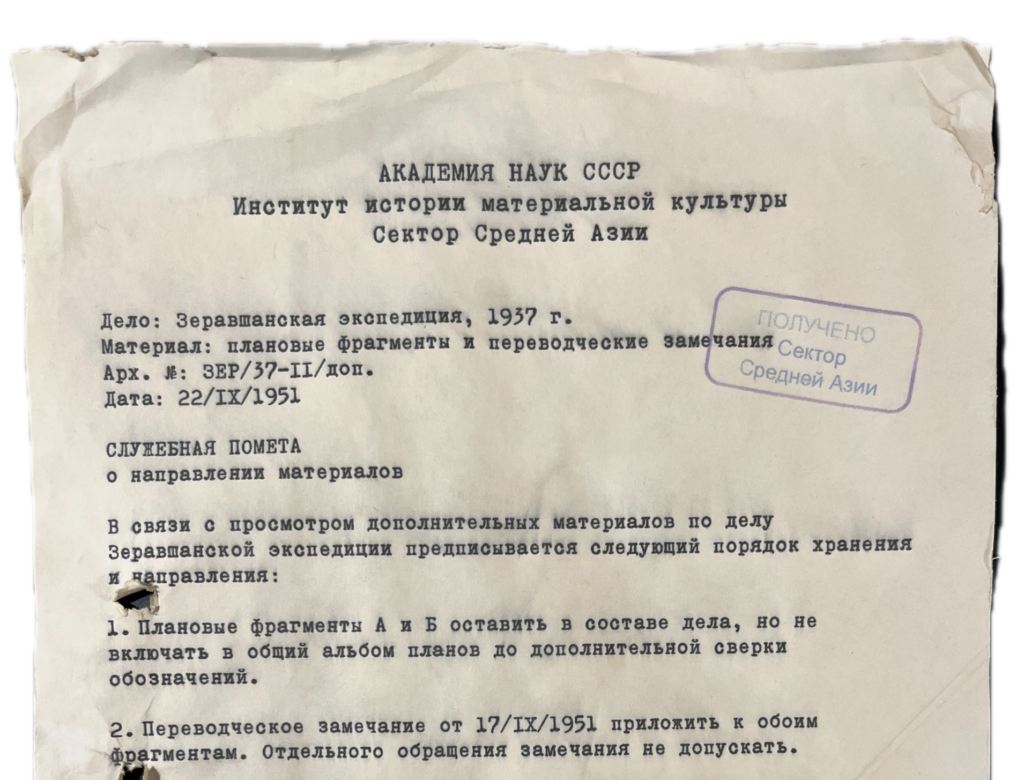
An investigation into the nature of knowledge, archives, and the desire to know.
In 1937, a joint Franco–Soviet archaeological mission entered the Zeravshan foothills in Central Asia. It did not return intact.
What survives is an archive under strain: field notes that contradict one another, photographs that suggest chambers no map can hold, object inventories that shift between drafts. Later authorities attempted to stabilize the record. Their conclusions were withdrawn.
This is a reconstruction undertaken in full awareness of that failure.
Status: The first phase of this project is complete. Read/Download the Archive of the Archive.
The Long Surface
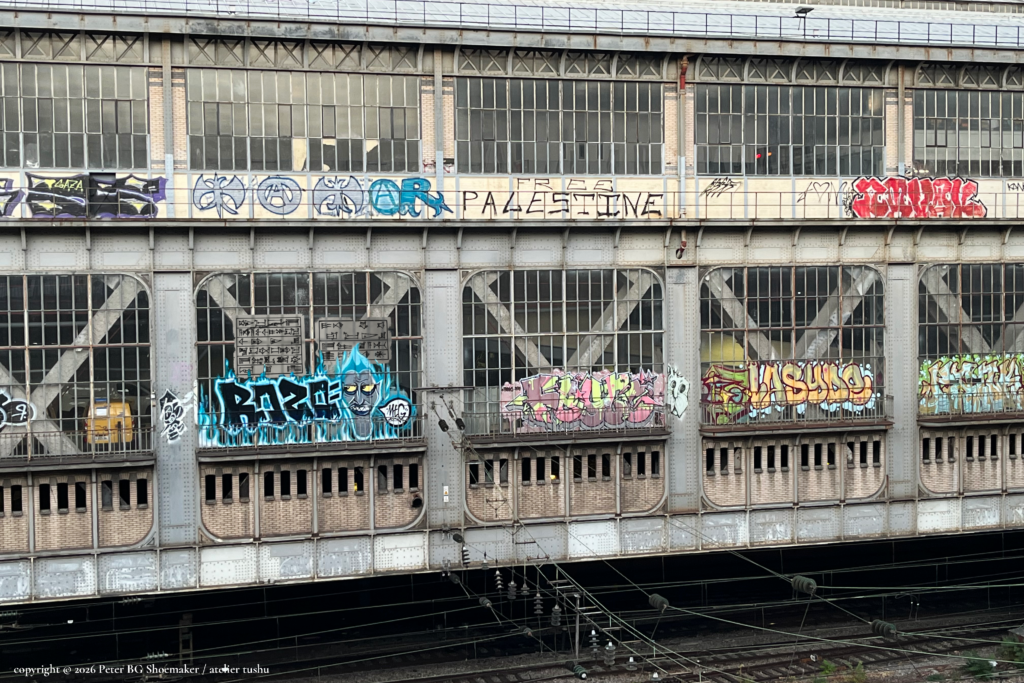
The Long Surface is a series of constructed cityscape photographs in which passages from ancient cuneiform law are embedded within contemporary urban environments.
These fragments appear as a sort of palimpsest in the present tense, revealing how civic questions—harm, obligation, ownership, labour, judgment, and shared responsibility—continue to jostle across time and cultures, never fully resolved, always reappearing as marks on the skin of the city.
Status: Ongoing.
The Six Devotions
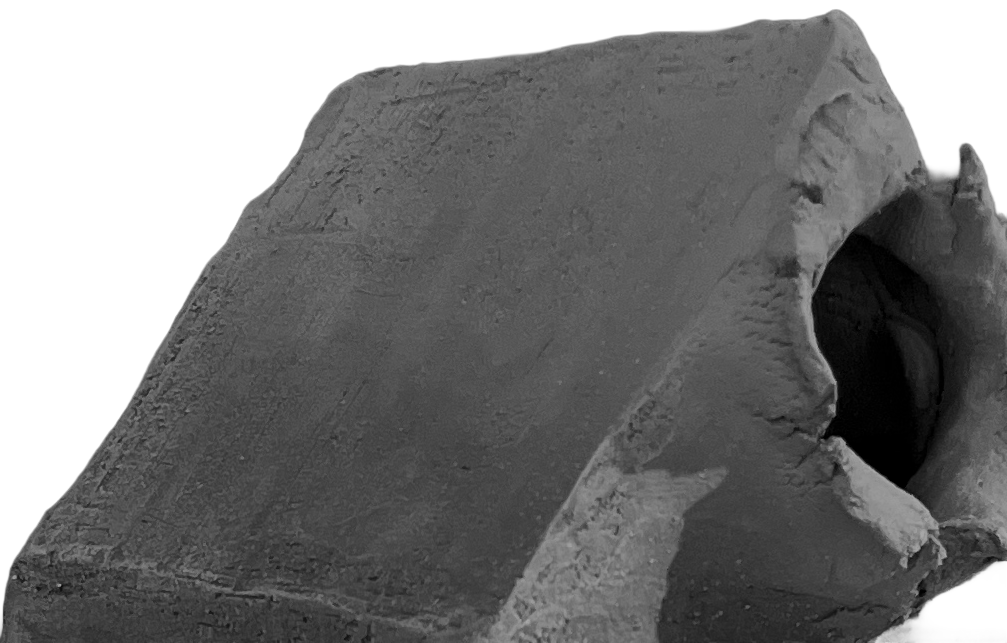
The Six Devotions is a collection of reliquaries devoted to the things by which a human life is shaped and unsettled: grief, love, childhood, speech, soul, and dream.
Status: Ongoing.
The Small Gods of Ordinary Ruin
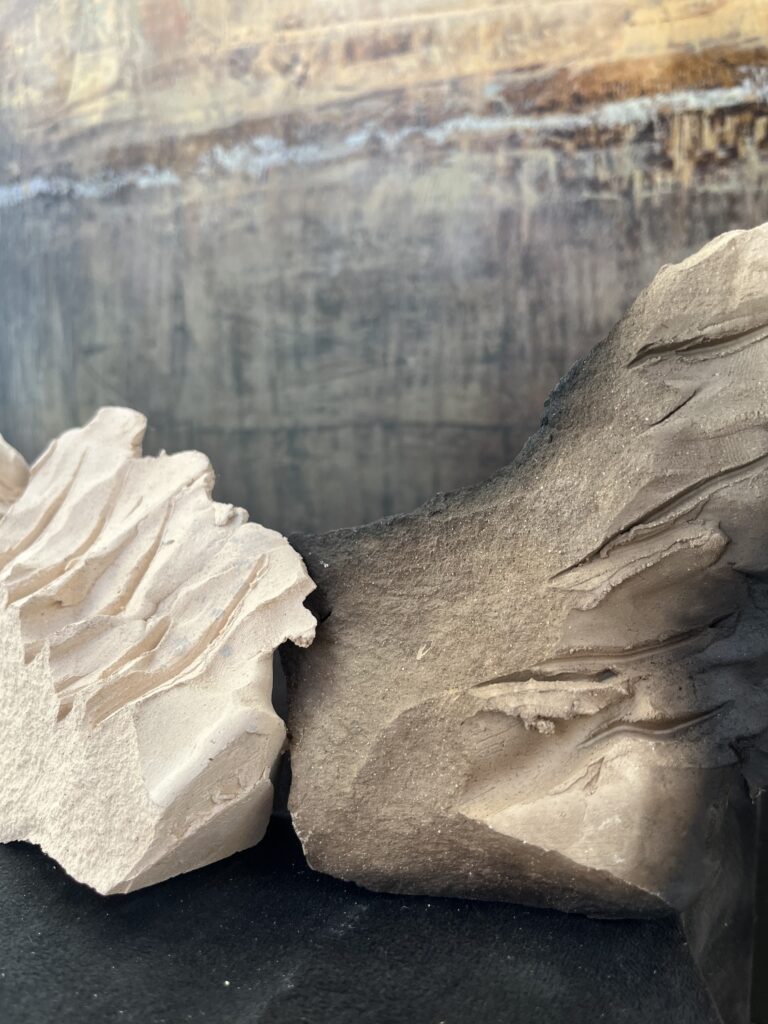
A ceramic and speculative fiction project imagining a domestic cult of minor gods: small powers invoked to survive grief, longing, shame, fatigue, secrecy, repair, and ordinary human weather. Through sculptural figures, votive vessels, shrines, tiles, and ritual tools, the work gives emotional necessities a material body.
Status: Ongoing.
Field Notes on Matter
Subscribe to Field Notes on Matter for occasional writing from the studio on ceramics, archives, ritual, material evidence, and the work of making.