atelier tushu is the studio practice of Peter Shoemaker, an American-born artist, writer, and researcher based in rural Normandy.
The Work
My work is concerned with our continuing effort to make the world legible, ordered, and meaningful, and with the residue left when those efforts prove incomplete, or impossible.
Working across ceramics, photography, writing, archives, and fabricated documents, I make objects and images that move between use and evidence, ritual and bureaucracy, history and speculation. A tea bowl, a reliquary, an uncertain artefact, and a passage of ancient law placed within a contemporary city all emerge from the same question: how form carries meaning, how authority gathers around things, and how inherited structures shape the ways we understand the world.
Projects such as Chronoliths, The Tomb of the Wayward Queen, Small Gods, Reliquaries, and The Long Surface construct systems of belief and interpretation, then allow those systems to strain or fail. Alongside them, my functional ceramics remain grounded in touch, repetition, usefulness, and the quiet ritual of daily life. Making is not simply a means of producing the work, but a way of thinking through it.
My background in archaeology, history, and philosophy remains present, less as methods than as elements of a sustained question: how knowledge is made, how memory acts upon the present, what we preserve, what we name, what we believe, and what remains unsettled beneath the order we (often, desperately) impose.
Biography
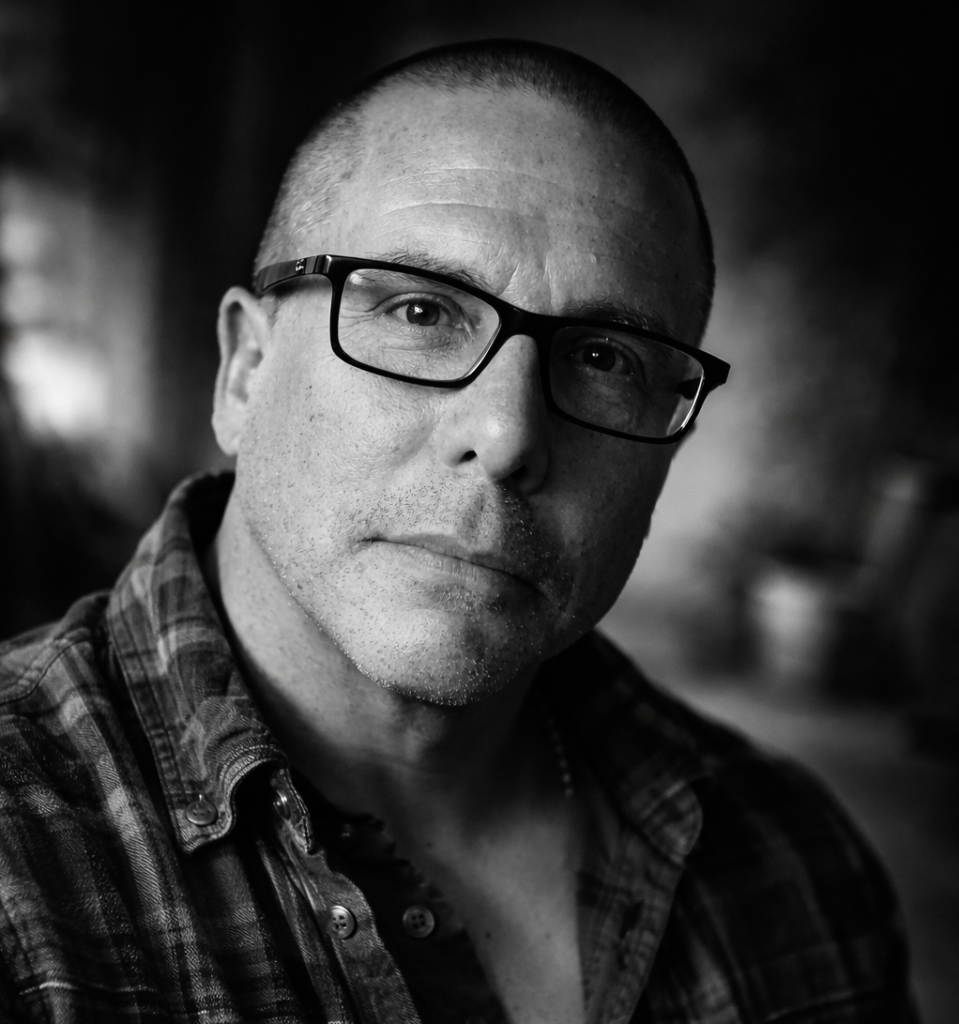
Peter Shoemaker is an artist, writer, and researcher living and working in rural Normandy. Trained as a late-Roman/early medieval archaeologist, he has long been drawn to objects that outlive the meanings meant to contain them. Nearly three decades spent working with symbolic systems—commercial, cultural, accidental—pushed that fascination further. His current practice moves between the ceramics and photography studio and sprawling para-archives, imagined worlds, and slipping systems of signs and meaning.
Shoemaker holds a BA in history and philosophy and masters degrees in comparative history and in archaeological research. His doctoral work examined early-Medieval burial practices and relationships between grave goods and social signalling and status. As a former member of a number of corporate boards, professional societies, various cliques, and mysterious brotherhoods, Shoemaker now only affiliates as membre, Collège 3, Institut pour les Savoir-Faire Français (anciennement L’Institut National des Métiers d’Art), and membre, Chambre de Métiers et de l’Artisanat Normandie.
Companions, references, and recurring influences
I’ve been particularly shaped by my long to-and-fro with the Paleolithic and Neolithic and their incomprehensible productions; the profundity of Dōgen and the everyday enlightenment of Zen Buddhism, the calligraphy and painting from the Muromachi through the Edo periods in Japan; the poetry of the Tang dynasty in China, that later of Bashō, Ryōkan, and Ikkyū in Japan, and even later that of Jim Harrison and Ada Limón in the US; the pre-cruciform churches of Anglo-Saxon England; the interior excesses of the late Renaissance; the shadows of Junichirō Tanizaki and Caravaggio; the transcendence of Bach, Mozart, Satie, and Chopin (and more than a little Wagner); and the polychromic wordshards of Borges.
There is also Artemis, a Tbilisi-born cat, whom I try valiantly (although largely unsuccessfully) to convince that just because we’re surrounded by small chirpy squeaky things, she doesn’t need to bring them all into the studio.